AI4Peace: International dialogue in Rome on artificial intelligence and the building of peace


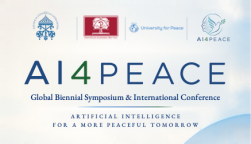
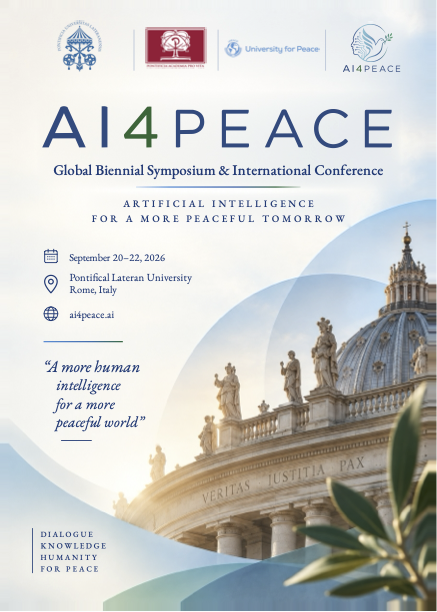
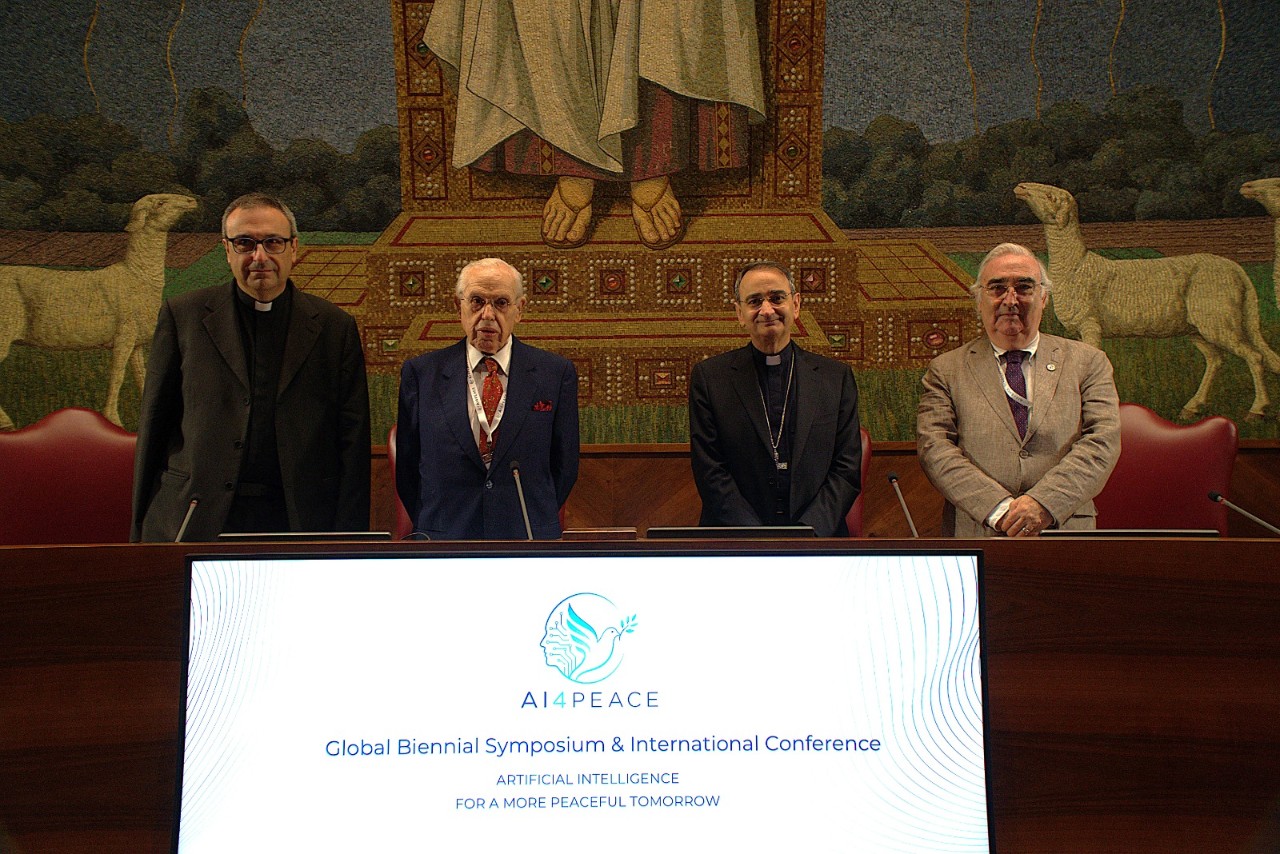
How can the development of artificial intelligence be guided so that it contributes to peace, the protection of human dignity and the common good? This is the central question of "AI4Peace – Global Biennial Symposium & International Conference", taking place in Rome at the Pontifical Lateran University, with two days of meetings and working sessions on 21 and 22 September 2026.
Promoted by the United Nations University for Peace, together with the Pontifical Academy for Life and the Pontifical Lateran University, AI4Peace is conceived as a permanent forum for dialogue among scientific research, institutions, diplomacy, economics, philosophy, academia and the religious sphere. Its aim is to address the opportunities and challenges posed by artificial intelligence in conflict prevention and resolution, the protection of human rights and the development of new models of governance, while asking under what conditions technological innovation can become a tool for peace rather than a further source of division.
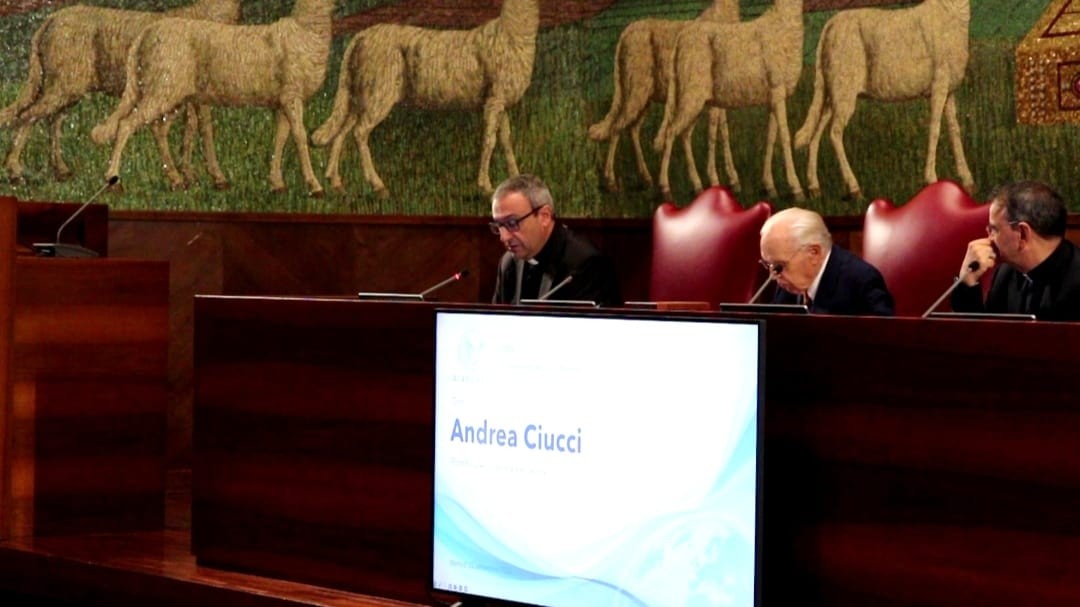
The conference opened with a Message from Pope Leo XIV, transmitted by the Secretariat of State to the Pontifical Academy for Life and read by Fr Andrea Ciucci, Chancellor of the Academy. The Holy Father expressed the hope that the discussions would contribute to “a renewed and widespread commitment to placing technological innovation at the service of the common good”, and encouraged participants to explore how artificial intelligence, guided by genuine concern for the good of others, can foster dialogue, reconciliation and solidarity among peoples, helping to transform the fruits of technological innovation into instruments of peace.
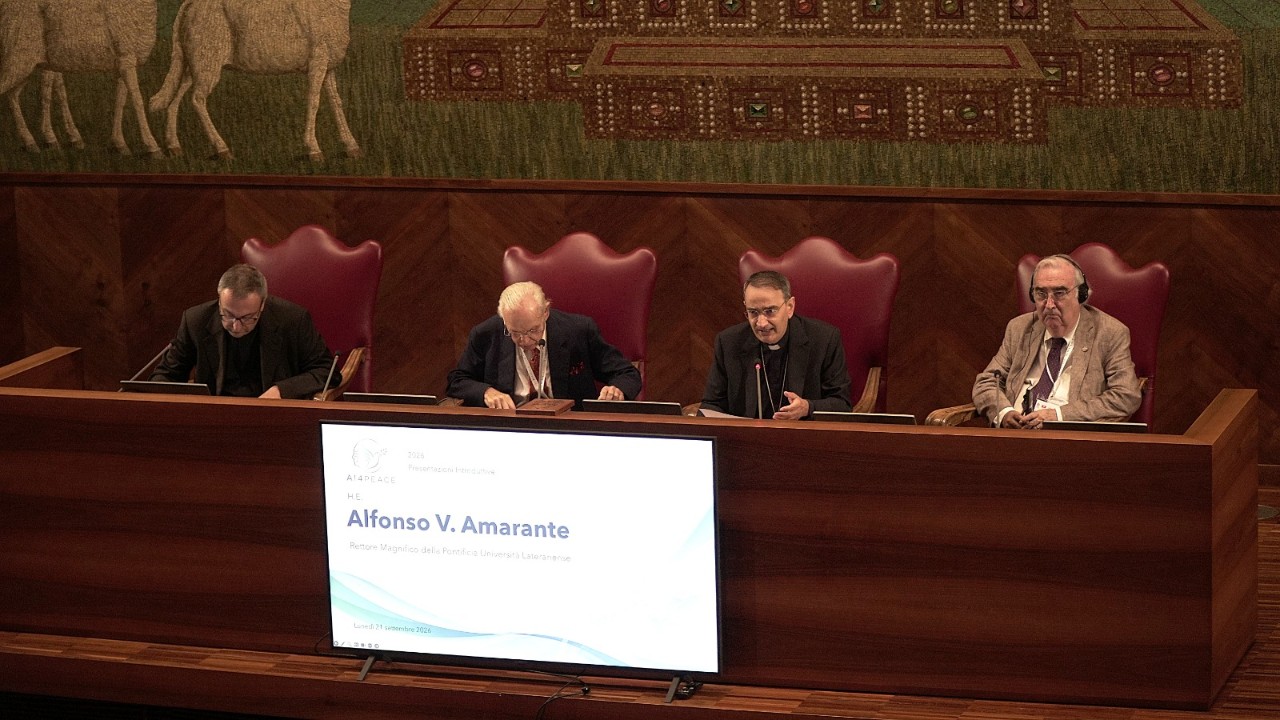
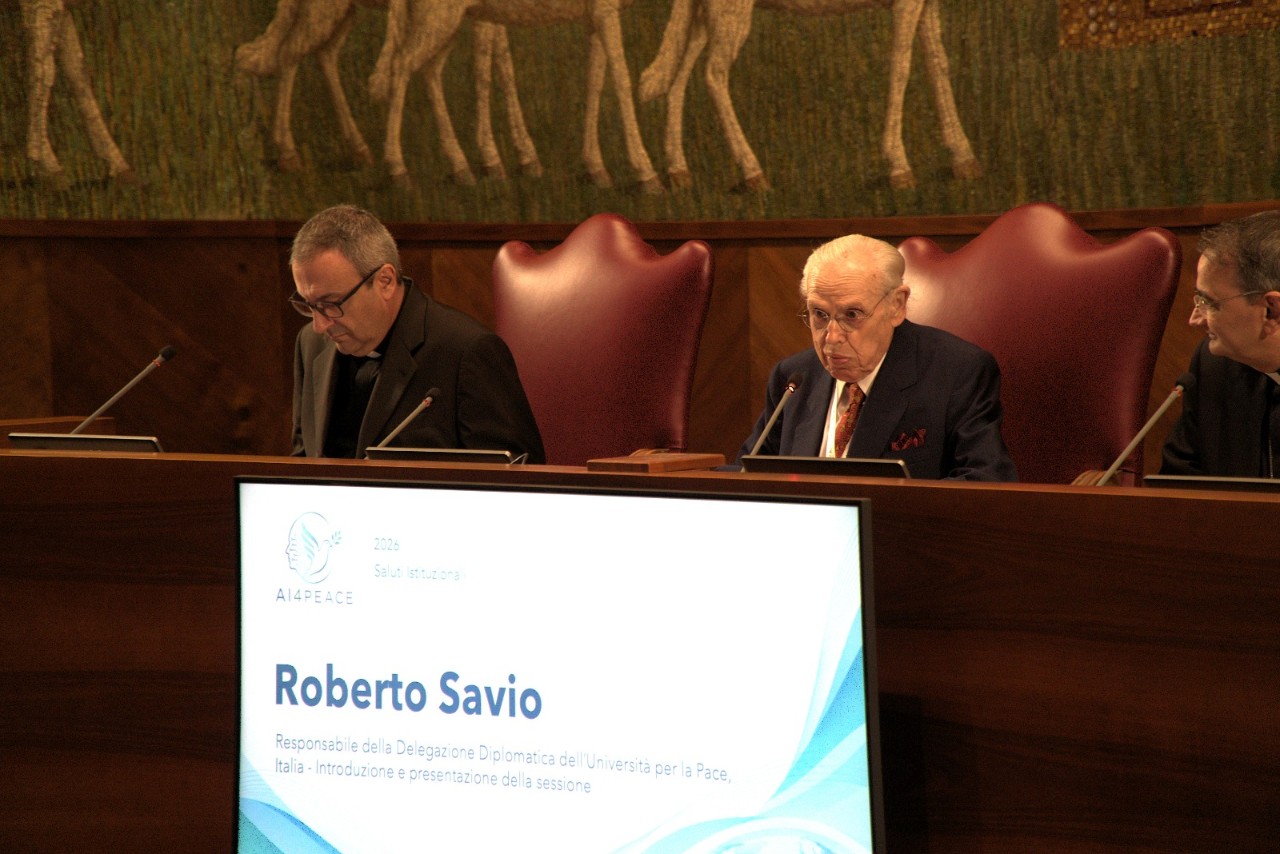
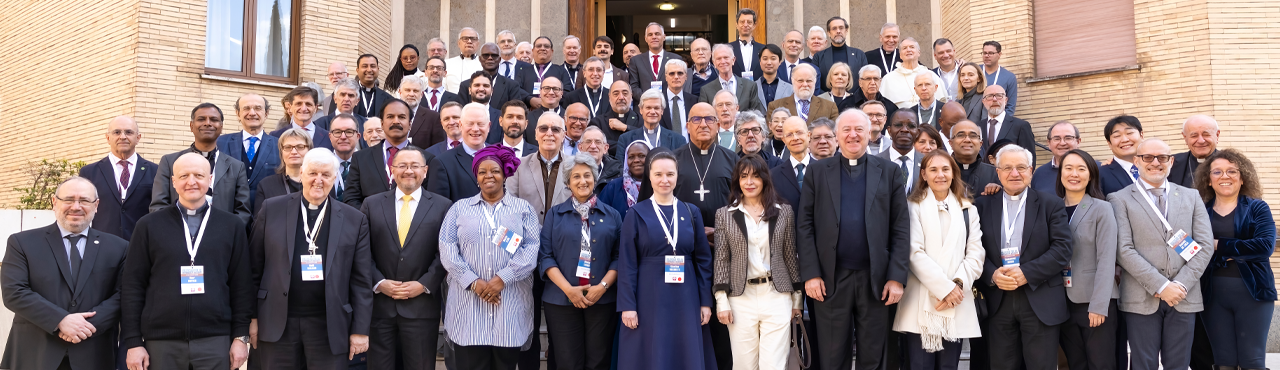
The programme brings together representatives of institutions and international organisations, scholars, philosophers, economists, experts in technology and law. Following the institutional greetings and introductory presentations on the morning of 21 September, the conference continues with a series of international contributions and, in the afternoon, with parallel working sessions devoted to the main issues at the intersection of artificial intelligence and peace.
The different working groups approach the subject from complementary perspectives: the use of AI in preventing and addressing conflicts and escalation; the need to preserve human control and responsibility; questions concerning fairness, rights and legal accountability; the role of artificial intelligence as decision support for policymakers and diplomacy; the economic and social transformations brought about by new technologies; and issues more directly connected with bioethics, vulnerability and human life.
A particularly significant moment on the second day is the panel devoted to Pope Leo XIV’s Encyclical Letter Magnifica Humanitas, which places the discussion on artificial intelligence within the broader horizon of the human person, dignity, responsibility and the human consequences of technological innovation. The Encyclical is also referenced in the papal Message, which recalls God’s “plan of mercy” as “a compass in the digital era” for human life and action.
The final part of the conference includes the presentation of the outcomes of the working sessions, the concluding plenary session and the conference conclusions delivered by Fr Andrea Ciucci on behalf of the Pontifical Academy for Life. The event will close with the signing ceremony marking the inauguration of the AI4Peace International Association, intended to give continuity to the dialogue and international cooperation launched in Rome beyond the individual editions of the symposium.
The common thread running through the two days is captured in the theme chosen for AI4Peace: “A more human intelligence for a more peaceful world”, through dialogue, knowledge and humanity for peace.