Vatican hosts leading AI scientists and experts for dialogue on the future of Artificial Intelligence and Human Dignity

Pope Leo XIV receives international researchers and experts as the Vatican and the scientific community examine emerging technologies, human responsibility, and the ethical challenges of artificial intelligence. Human control, safety, accountability and the protection of human dignity are at the heart of the dialogue.

Print Pdf

30-10-2026.jpeg

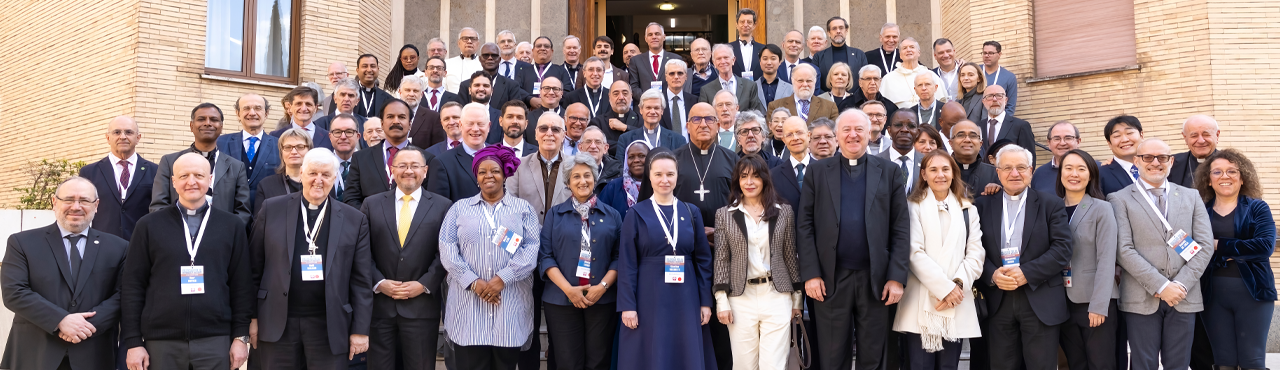
How can the development of artificial intelligence be guided so that it remains genuinely at the service of the human person and the common good? This was the central question of The Future of AI: A Dialogue Between the Vatican and the Scientific World on the Developments and Applications of Intelligent Technologies, held on October 30, 2026, at the Casina Pio IV in Vatican City. The meeting was co-organized by the Pontifical Academy for Life and the Future of Life Institute.

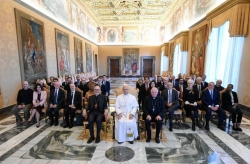
The gathering brought together leading international researchers and experts in artificial intelligence, providing an opportunity for direct dialogue between scientific expertise, ethical reflection and institutional responsibility. Participants were also received in audience by Pope Leo XIV at the Apostolic Palace.

At the centre of the discussions were the major questions raised by the development of increasingly capable AI systems: how to preserve meaningful human control, ensure safety and reliability, maintain clearly identifiable human responsibility, and translate ethical principles into effective safeguards, verification mechanisms and forms of governance. The dialogue also addressed broader concerns regarding the future of work, freedom, inequality, and the relationship between technological innovation and human dignity.

The following materials are available: the press release on the meeting and the opening remarks by Archbishop Renzo Pegoraro, President of the Pontifical Academy for Life.


Press Release

Current View

Opening Remarks

by Archbishop Renzo Pegoraro

Today’s meeting is rooted in the conviction that the current phase of development in Artificial Intelligence calls for a closer dialogue between those who understand its technical evolution first-hand and those who are called to reflect on its consequences for the human person, institutions and the common good.

This conviction is part of a path that the Pontifical Academy for Life has been pursuing for several years, including through the Rome Call for AI Ethics, with the aim of promoting the development of Artificial Intelligence grounded in responsibility, human dignity and the common good.

We asked the participants in today’s meeting to identify, from the perspective of their different fields of expertise, the issues that they believe deserve the greatest attention at this moment. What emerged was a plurality of views — not a common position — but within that diversity, a number of questions recur with particular force: how to maintain effective human control over increasingly autonomous systems; how to ensure safety and reliability; how to preserve clearly identifiable human responsibility; and how to translate ethical principles into concrete forms of verification and governance.

Alongside these issues, broader concerns also emerge regarding work, freedom, the concentration of technological power, inequality and, ultimately, the relationship between innovation and human dignity.

These questions also find an especially important point of reference today in Pope Leo XIV’s encyclical Magnifica Humanitas, which strongly recalls the need for technological development to remain at the service of the human person and not lose sight of responsibility, freedom and the common good.

This morning, we will first hear three introductory contributions, which will open up different and complementary perspectives. But the heart of the session will be the dialogue that follows: an open exchange between the scholars gathered here and the members of the Interdicasterial Commission.

I believe the question that accompanies us today is simple to formulate, even if it is much more difficult to address: not only how far Artificial Intelligence may advance, but whether we will be able to guide its development so that it remains genuinely at the service of the human person and the common good.

I would like to take this opportunity to thank all the participants: scientists, activists, and Commission members. Special thanks go to the Future of Life Institute, chaired by Prof. Tegmark, which is co-organizing this event.

Thanks also to the Compagnia di Sanpaolo Foundation and the Arvedi and Alpas groups, which are actively contributing to the organization of this event.

Thank you all, and best of luck with your work!