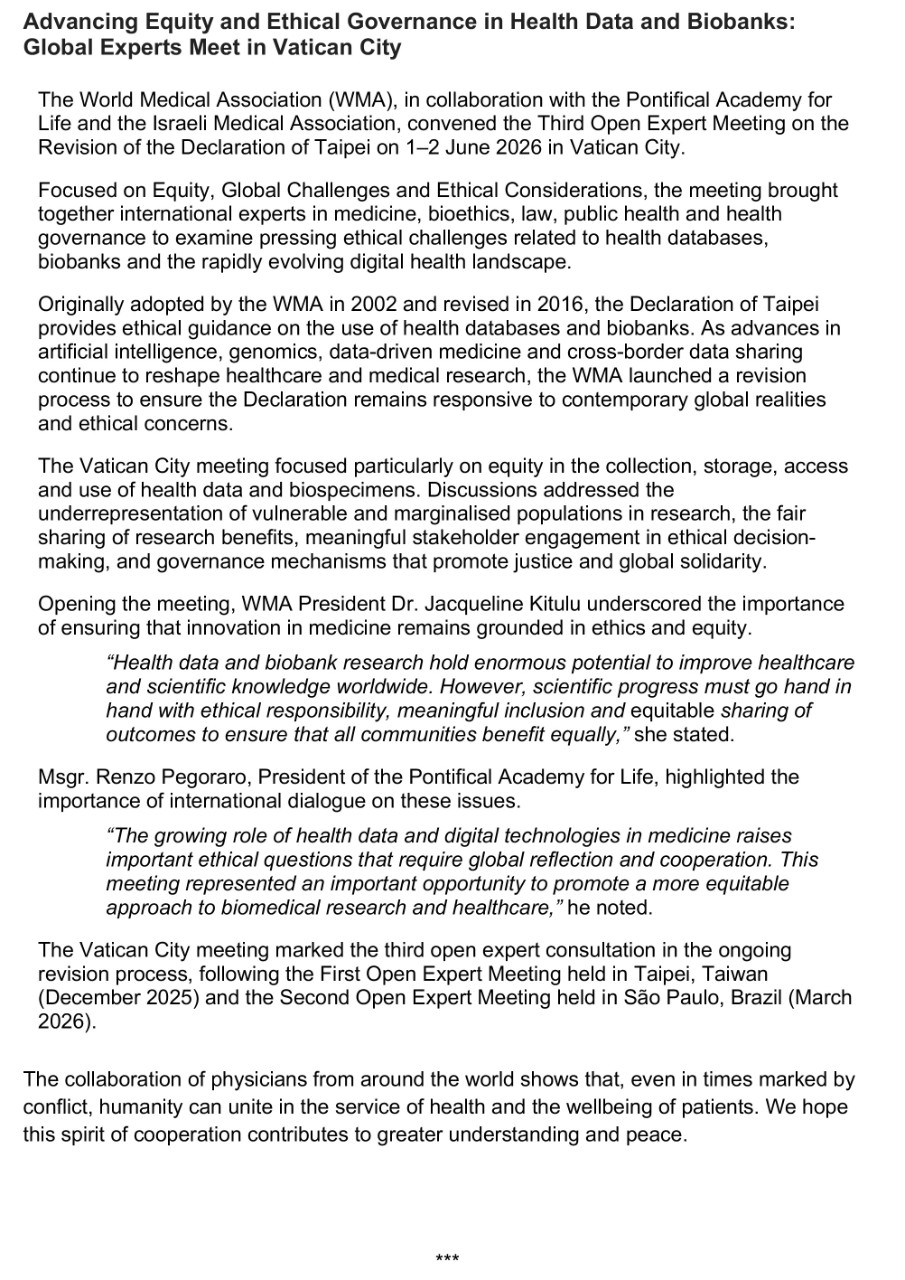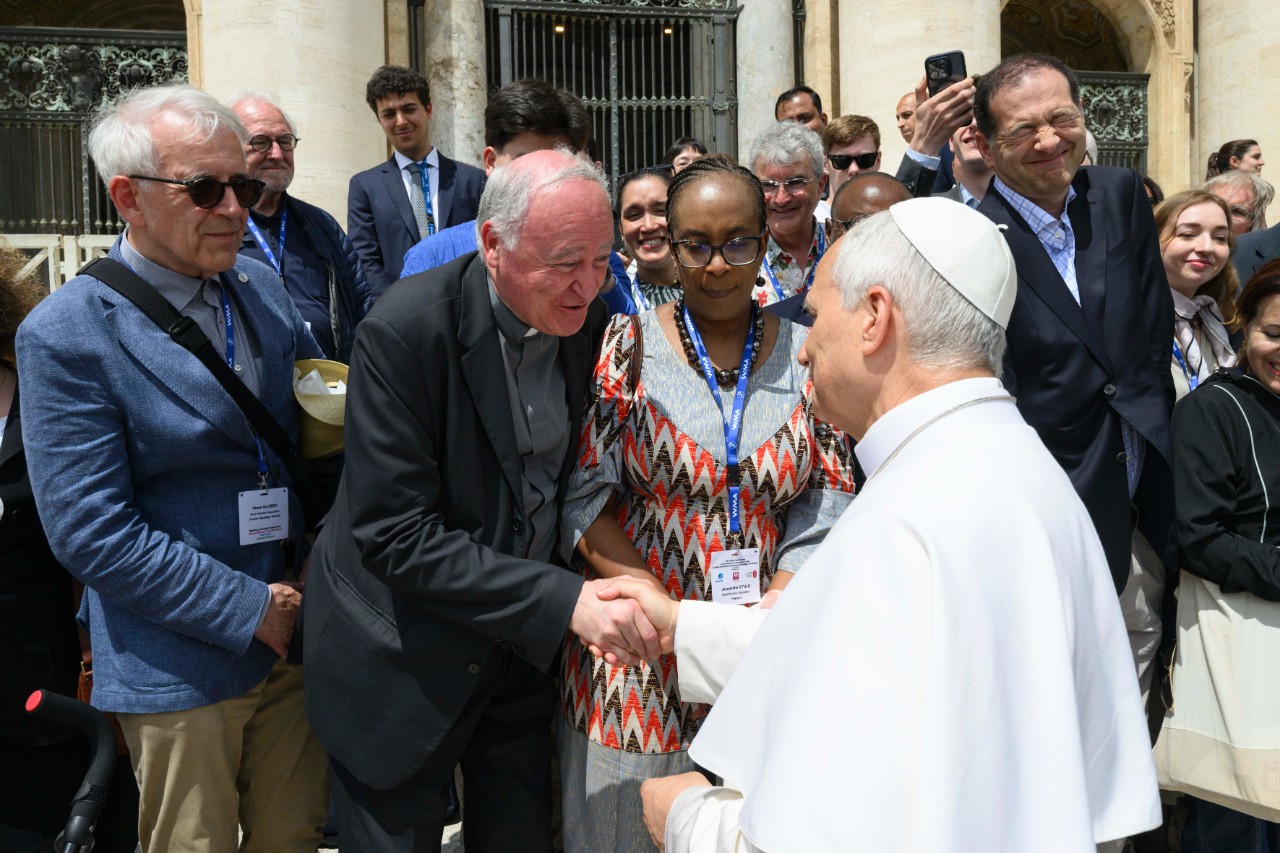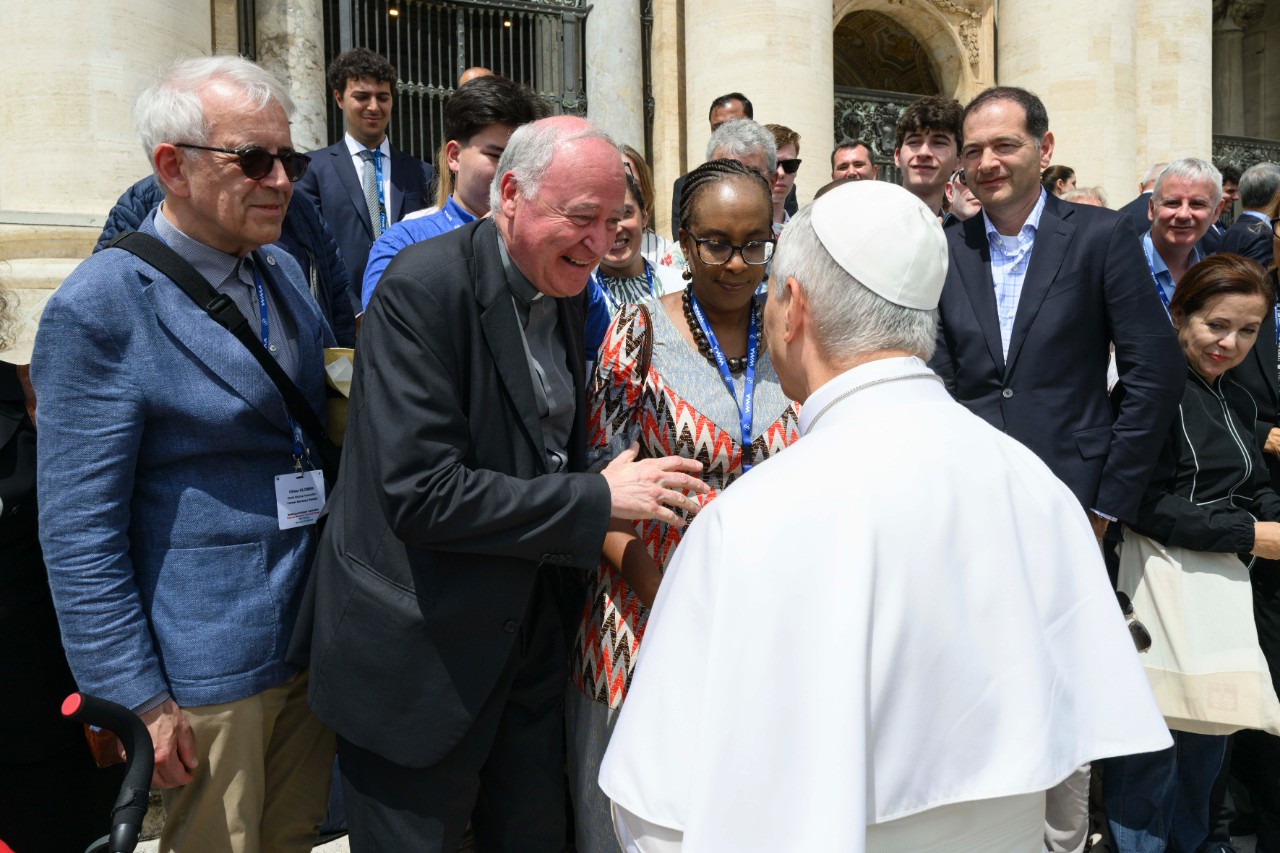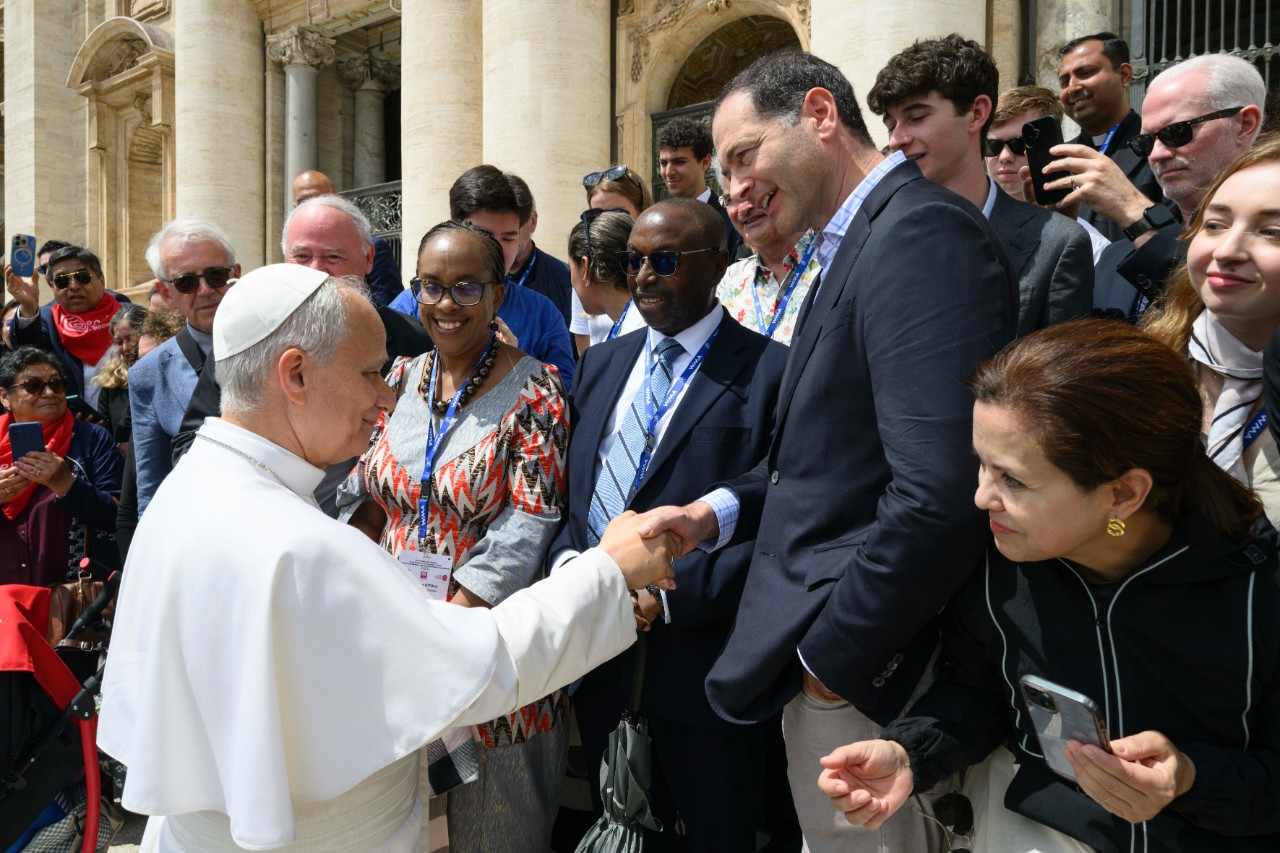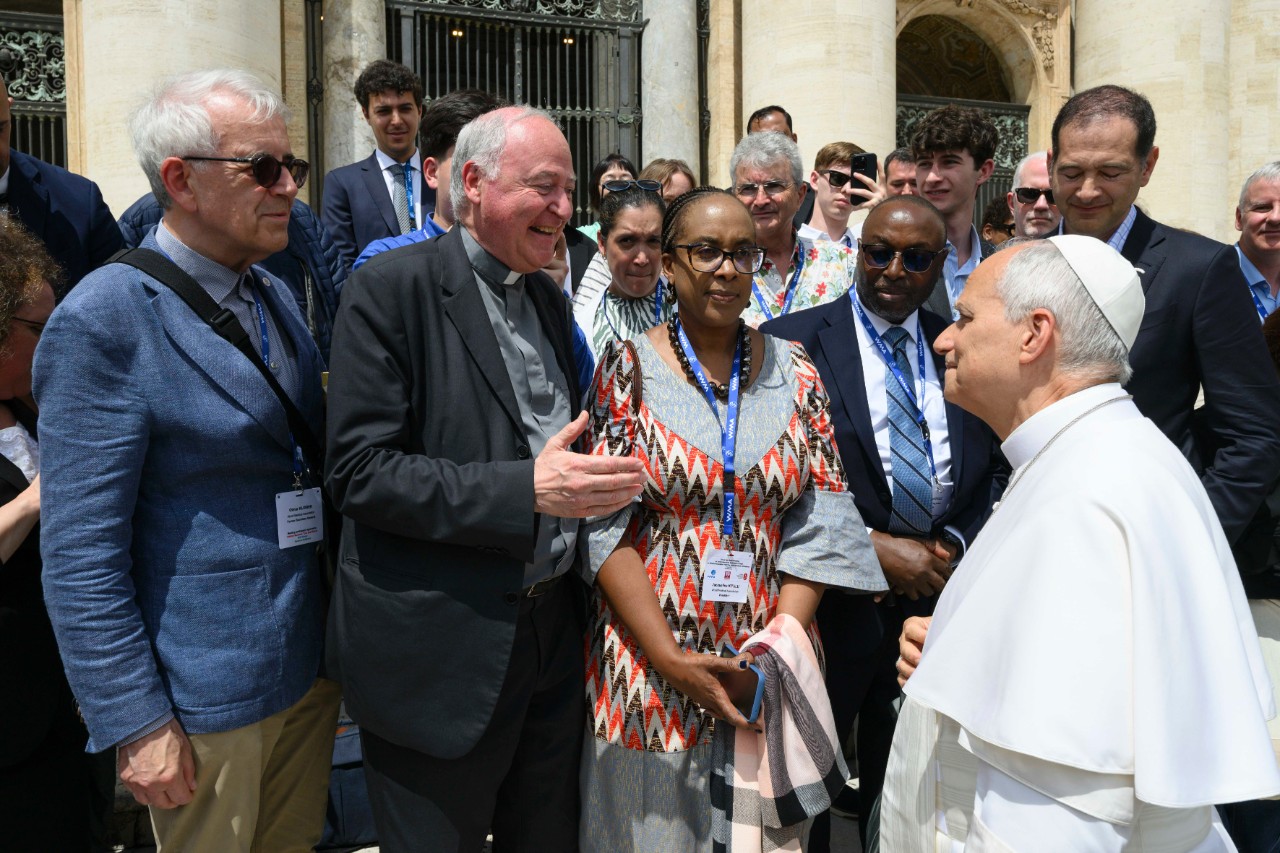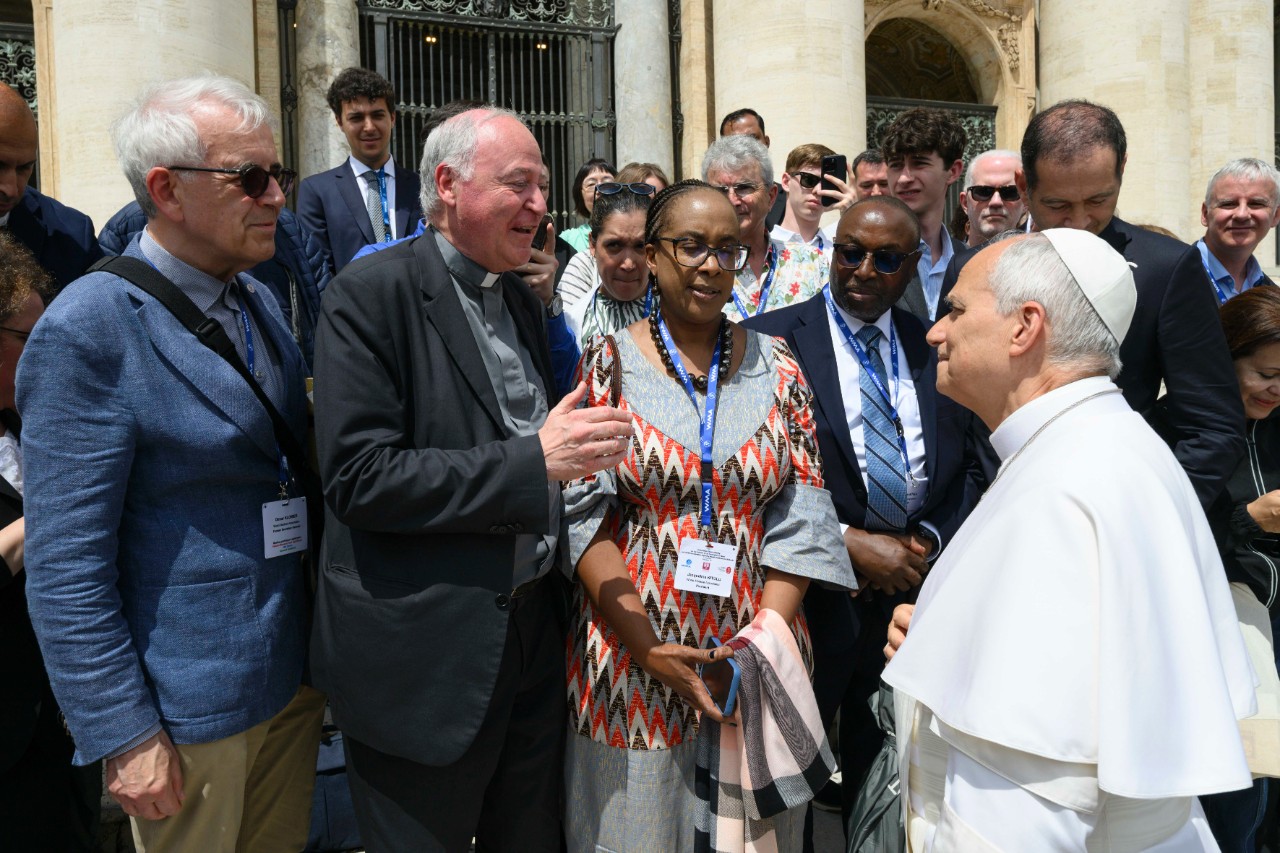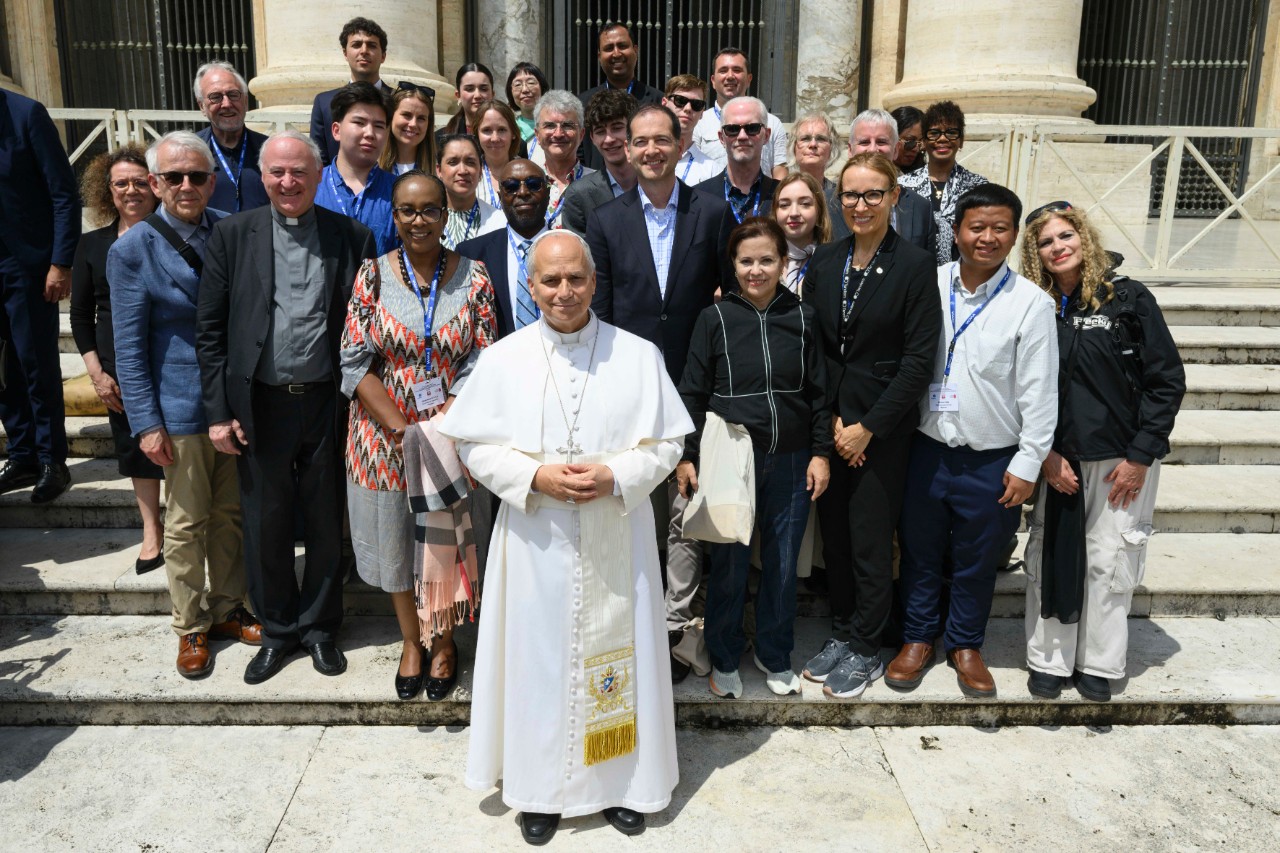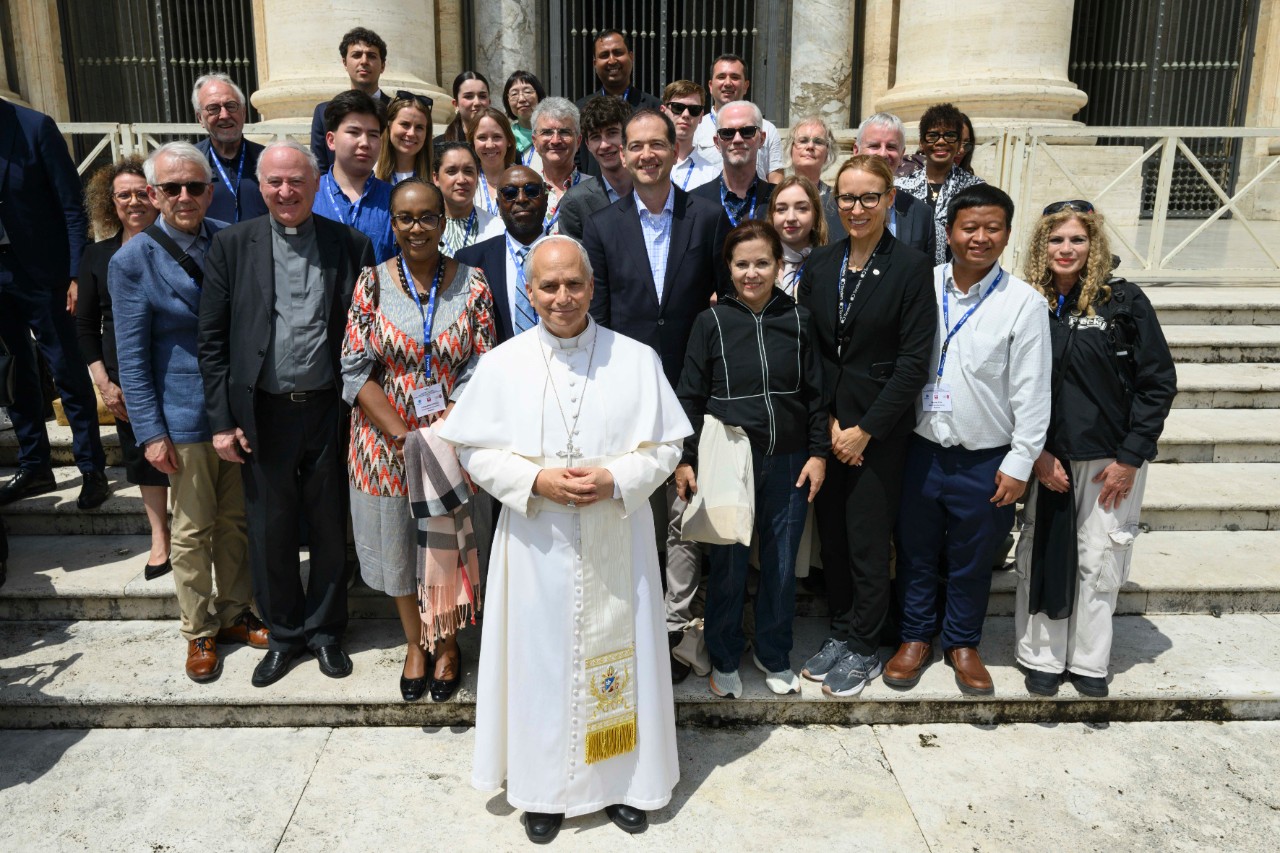
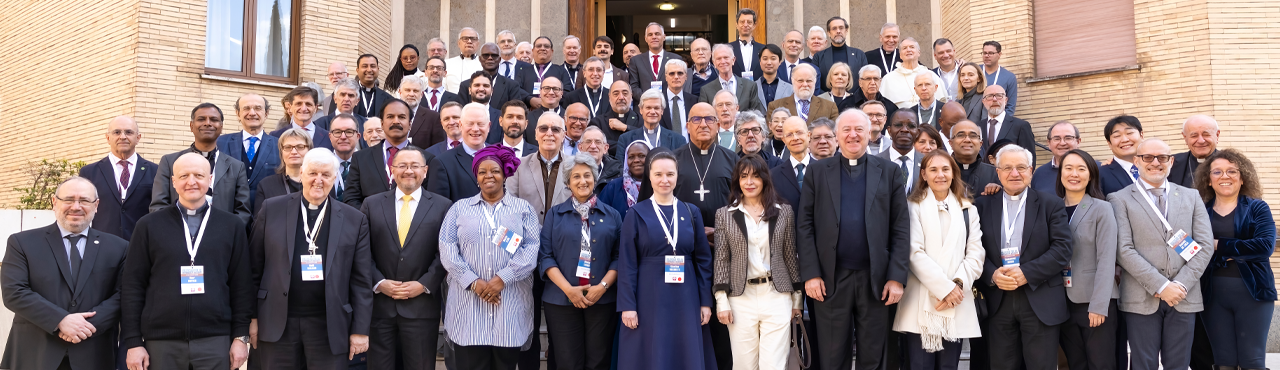
Experts gather in Rome for the Third Open Expert Meeting on the Revision of the WMA Declaration of Taipei


The meeting brings together international experts to advance the revision process of the Declaration of Taipei, a key global ethical framework addressing health databases and biobanks. Discussions focus on equity, global challenges in digital health, and the ethical governance of health data.
Opening remarks
In his opening remarks, H.E. Msgr. Renzo Pegoraro, President of the Pontifical Academy for Life, greeted the President of the World Medical Association, Dr. Jacqueline Kitulu, and the new Secretary General, Dr. Ramin Parsa-Parsi, while also expressing gratitude for the service of the outgoing Secretary General, Dr. Otmar Kloiber.
Msgr. Pegoraro recalled the long-standing collaboration between the Pontifical Academy for Life and the WMA, strengthened through several major international initiatives: the 2017 European Regional Meeting on end-of-life care, the 2021 international roundtable on vaccination, and the 2024 conference on the revision of the Declaration of Helsinki.
He highlighted that the current meeting represents another milestone in this shared journey, aimed at promoting public health while safeguarding the dignity of patients and the role of healthcare professionals, also in cooperation with the Israeli Medical Association.
Human dignity and the technological challenge
Msgr. Pegoraro referred to reflections by Pope Leo XIV on technological progress and human dignity, emphasizing that scientific and technological development must always serve the common good and respect for the human person. The Pope warns against the “perverse manipulation” of technology, in continuity with Pope Francis’ critique of the technocratic paradigm.
This calls for a renewed ethical, spiritual, and political framework capable of guiding contemporary transformations, ensuring that efficiency and profit do not become the sole criteria of judgment.
A convergence between Taipei and global bioethics
Msgr. Pegoraro underlined the convergence between the Pontifical Academy for Life and the principles of the Declaration of Taipei: human dignity remains inviolable even in the face of rapidly evolving technologies.
For healthcare professionals, this translates into concrete obligations: protection of health data, prohibition of unauthorized secondary use, safeguards in international research collaborations, and preservation of patient trust.
Embodied ethics and shared responsibility
The PAV also reaffirmed the importance of a global bioethics capable of integrating medical, social, economic, and environmental dimensions, in response to the challenges of digital health and artificial intelligence.
Emerging technologies – from AI and genomic biobanks to digital health platforms – are powerful tools whose ultimate value depends on the strength of ethical safeguards developed by the international community.
The dialogue between the WMA and the Pontifical Academy for Life thus appears increasingly timely and necessary, grounded in a shared vision: to reconcile innovation with responsibility and scientific progress with the centrality of the human person.
For event information: https://wma.glueup.com/event/third-open-expert-meeting-on-the-revision-of-the-wma-declaration-of-taipei-dot-169052/